
Evidence-based insights on preventive healthcare, longevity, and early detection, from the specialists at Executive Health.
A new analysis of data from the SELECT trial shows that semaglutide, a GLP-1 receptor agonist, provides a clear…

Studies using both brain imaging and long-term follow-up show that multilingual people have: Stronger connections…
At Executive Health, we normally don’t advise about nutritional supplements. Partly because we are far from convinced…
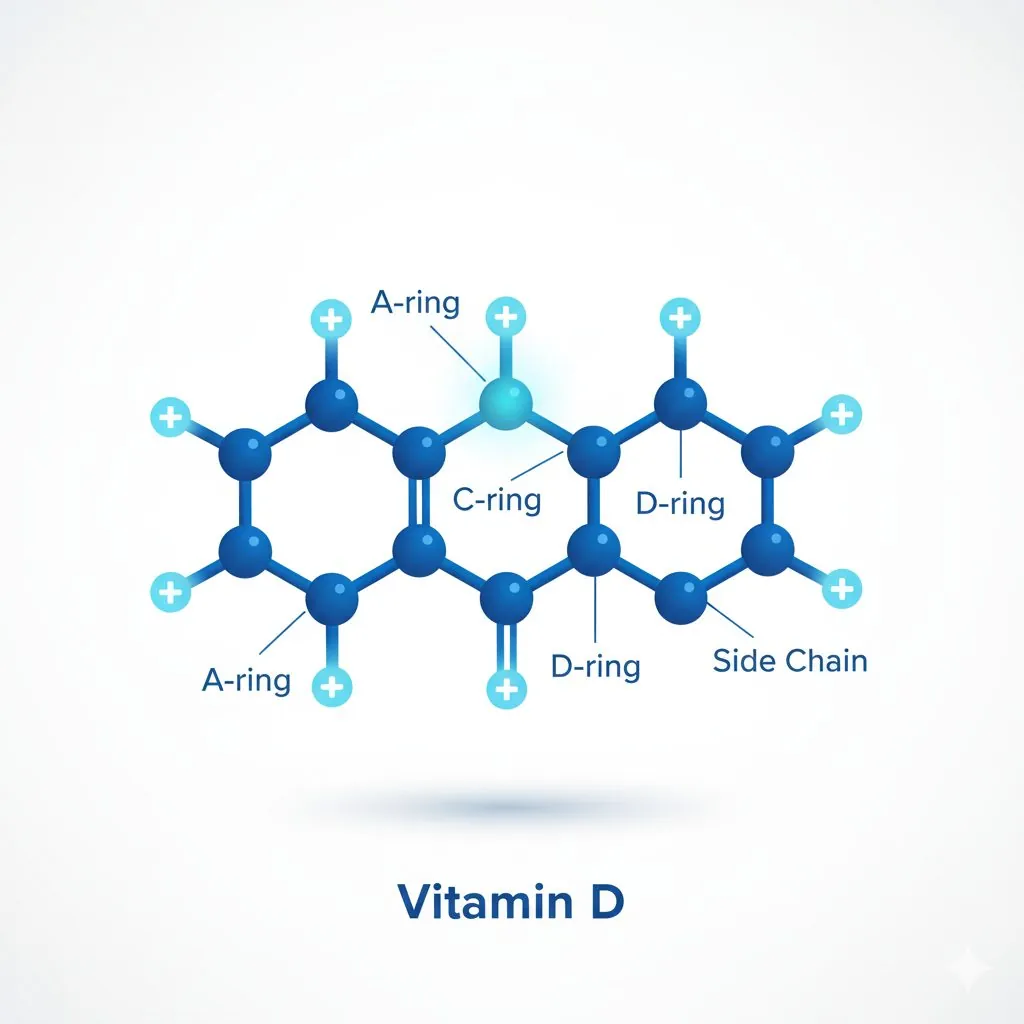
Vitamin D New research summarised by Medical News Today highlights three clear ways that optimal vitamin D levels can…

Let’s look at what happens when you get the basics right at age 50: Not smoking Normal BMI Being Active Minimising…
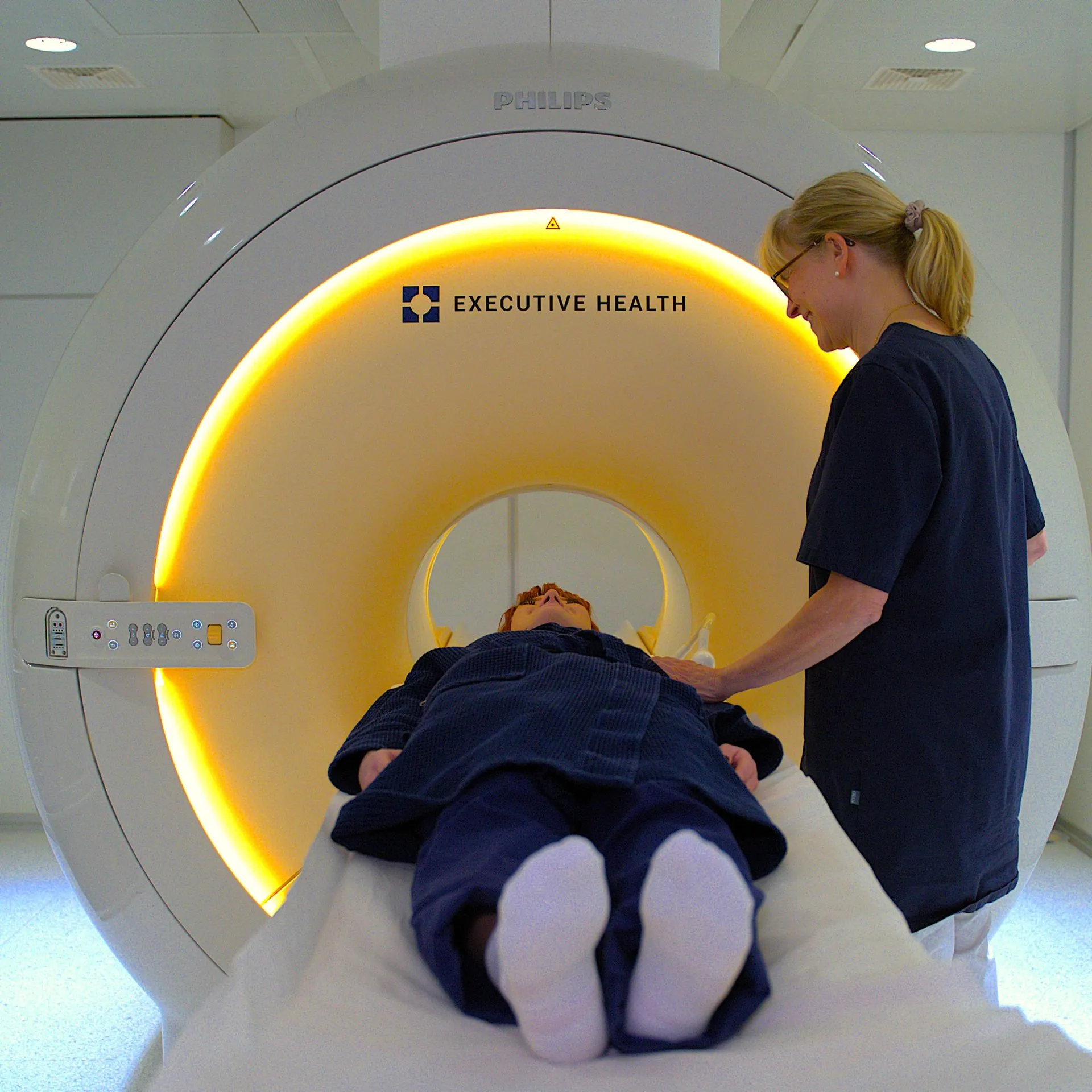
At Executive Health we use advanced imaging (MRI) to quantify abdominal fat, both subcutaneous and, most importantly,…

A large new study from the Framingham Heart Study examined whether physical activity in early adulthood, midlife or…
GLP-1 drugs aid longevity by improving heart, kidney, and brain health beyond weight loss, but long-term safety and use in healthy people need study.
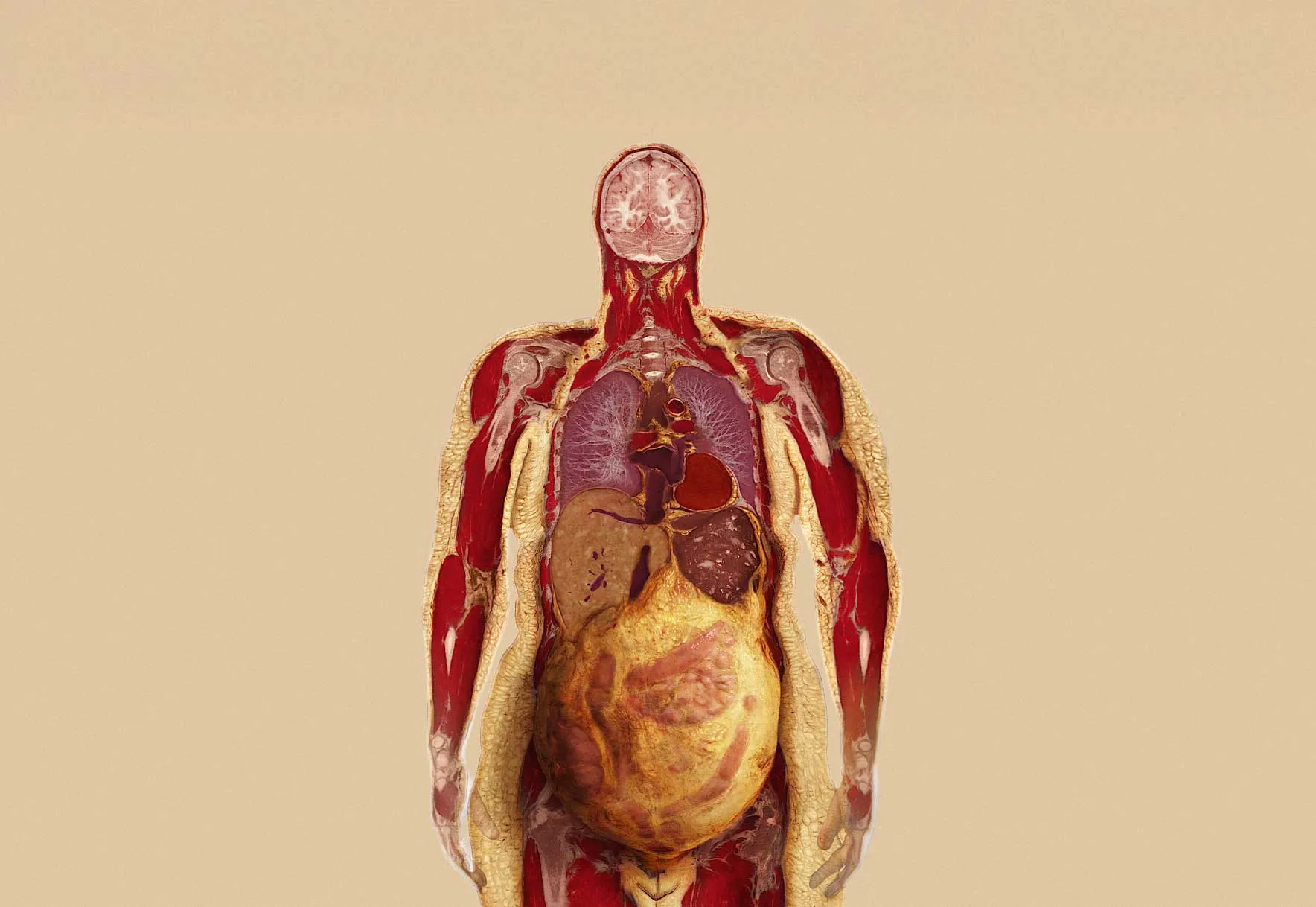
Visceral fat around organs drives aging and heart risk more than BMI, lower it through exercise, diet, and stress control for lasting health.

Using a sauna 4–7 times per week can cut risks of heart disease, dementia, and early death by up to 50%, supporting its strong longevity benefits.

Frequent sauna use (4–7 times/week) cuts cardiovascular and all-cause mortality by up to ~50% or more, a potent, under-used heart-health tool.

The “wait 90 minutes before your morning coffee” advice lacks evidence, regular coffee drinkers develop tolerance and no benefit from delaying has been shown.

Use your non-dominant hand, train in high-intensity bursts, and combine movement with mental challenge, three simple brain-boosting strategies.
Wegovy users saw up to 57% lower risk of heart attack, stroke, or death, suggesting GLP-1 drugs may extend lifespan through better metabolic health.

Just 20 minutes of gardening can cut dementia risk by 28% and boost brain health through movement, stress relief, and time spent outdoors.

Walking 7 000 steps a day lowers risks of early death, heart disease, cancer, and dementia, showing longevity gains don’t require 10 000 steps
Creatine monohydrate supports muscle growth and cognitive health, typically 3–5 g/day is safe; combine it with training and balanced nutrition.
High LDL raises dementia risk, while lowering cholesterol supports both heart and brain health, research shows it doesn’t harm memory or cognition.

Erectile issues may signal underlying health concerns like vascular disease or diabetes, don’t ignore them, they could be your body’s early warning system.
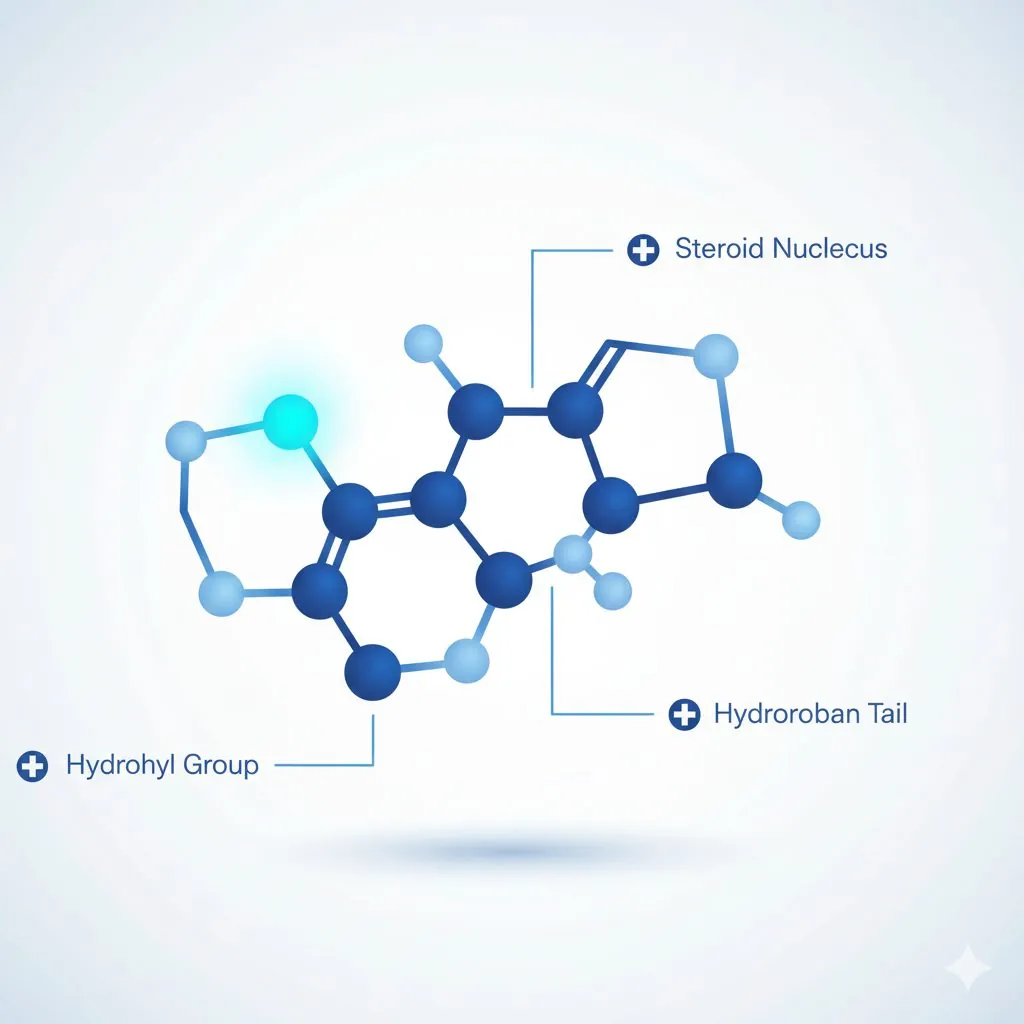
Lower LDL cholesterol to below 70 mg/dL can cut dementia risk by over 25%, showing brain health benefits go hand in hand with heart protection.

Mitochondria are the cell’s CEO, directing energy and function. Keeping them healthy through exercise, diet, and sleep is key to longevity.

Longevity is being redefined, not just living past 100, but staying strong and healthy through prevention, advanced screening, and smart lifestyle choices.
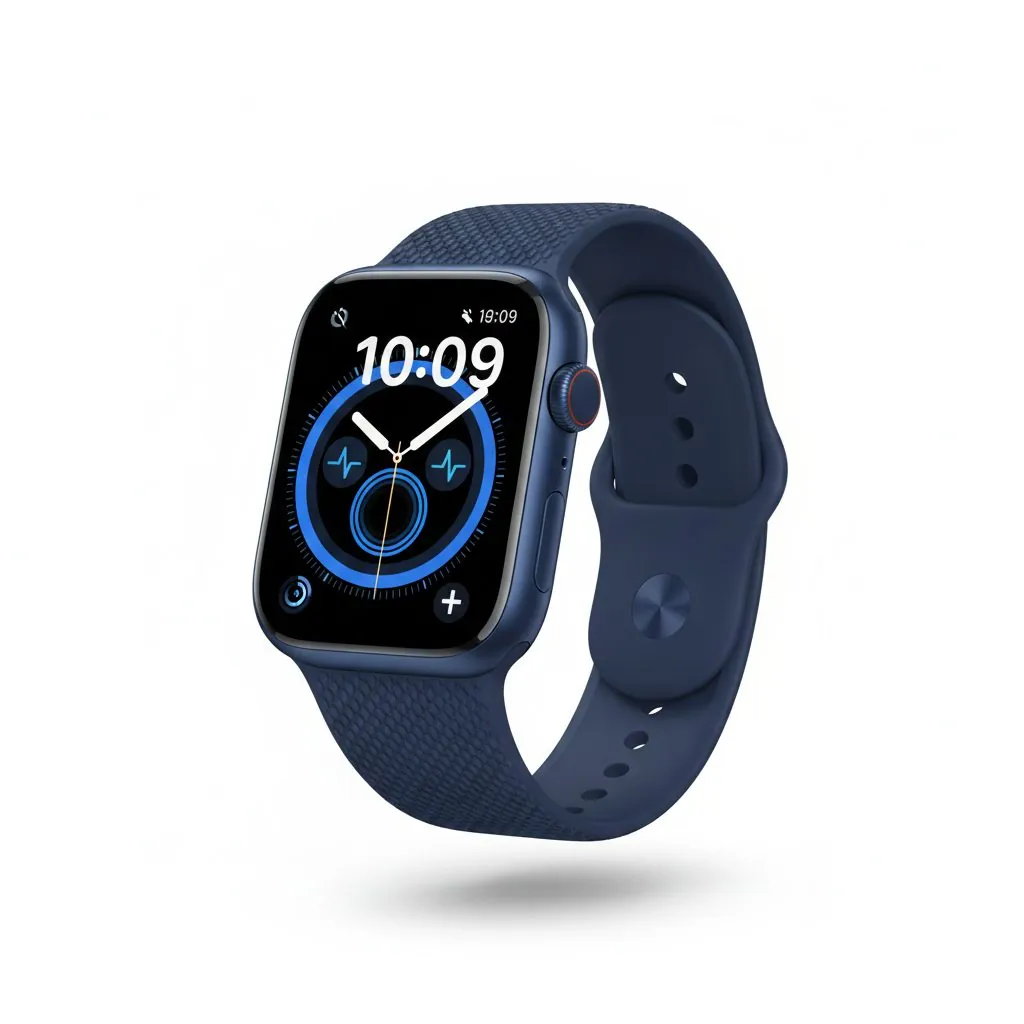
Wearables boost activity and fitness, especially in adults over 70, helping users move more often and longer, leading to measurable health benefits.

A single session of either resistance training or HIIT in breast cancer survivors boosted anti-cancer myokines and reduced cancer cell growth in vitro by ~20-29%

Poor or irregular sleep is linked to 172 diseases, suggesting that sleep consistency, not just duration, is crucial for long-term health and disease prevention.

Your health this year isn’t what it was last, bodies change quietly over time, so regular screening captures shifts you’d otherwise miss.

Protect brain health through exercise, balanced diet, quality sleep, and managing blood pressure and glucose, simple habits with lifelong impact.
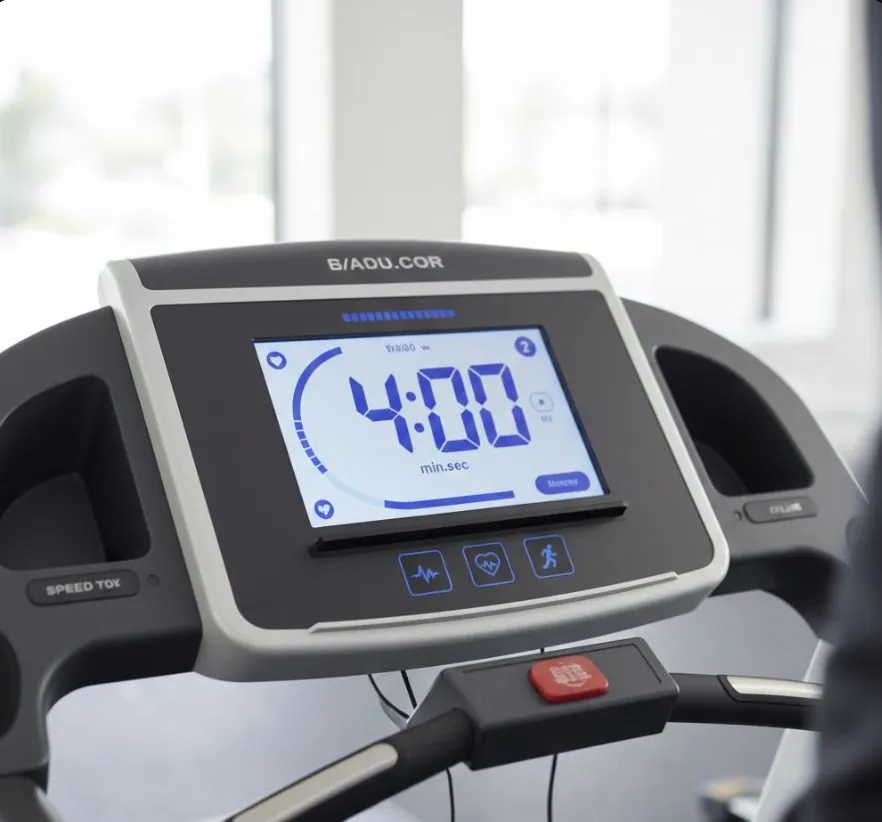
As little as 1.5 to 4 minutes of high-intensity activity per day can significantly reduce serious cardiovascular event risk, for women by 45% and for men by 16%

Regular sexual activity appears linked to lower cardiovascular risk and reduced overall mortality, especially when occurring at least once a week.
Research on Metformin and longevity remains mixed, while it may modestly slow aging, evidence is inconclusive and it’s not proven as a true lifespan drug
Investor Edward Thorp applies risk management to longevity, focus on prevention, regular checkups, and removing weak links to extend healthy life.

The new longevity revolution is bigger than AI, lasting health comes from prevention, early detection and sustainable habits, not just technology.

Peter Attia calls biohacking overrated, real longevity gains come from mastering basics like sleep, nutrition, and exercise, not unproven shortcuts.
Daily multivitamin use doesn’t improve lifespan in healthy adults, analysis of almost 400 000 people found no lower risk of death.
Adopting five habits, no smoking, exercise, healthy weight, moderate alcohol, good diet, can add up to 12 extra years of life from age fifty.
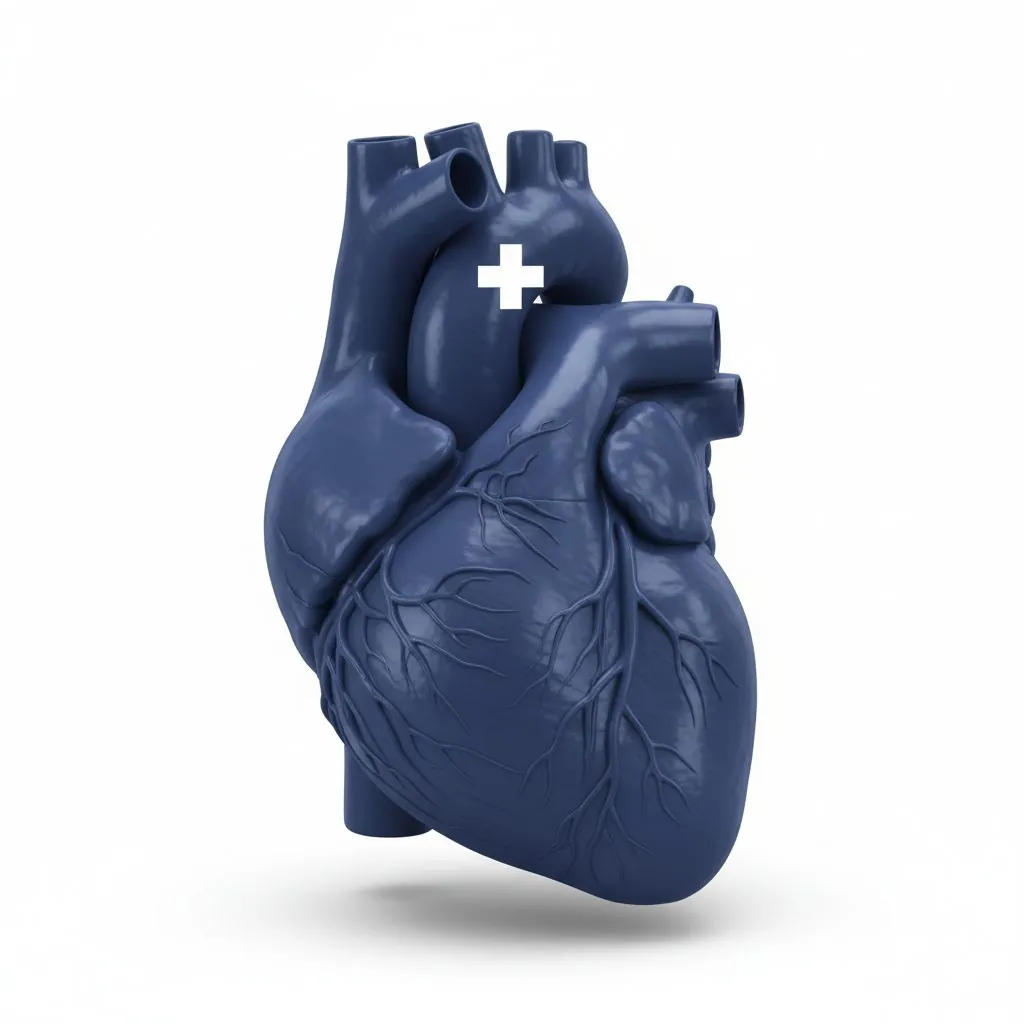
Start early with your heart, plaque can begin decades before symptoms. Move more for longevity, and don’t wait for signs, get your heart checked regularly.
Strength training is effective at any age, older muscles still respond significantly, meaning you’re never too young or too old to build strength and protect against age-related decline.

Regular aerobic exercise outweighs intensity when longevity is the goal, what matters most is moving consistently, not pushing hard in every session.
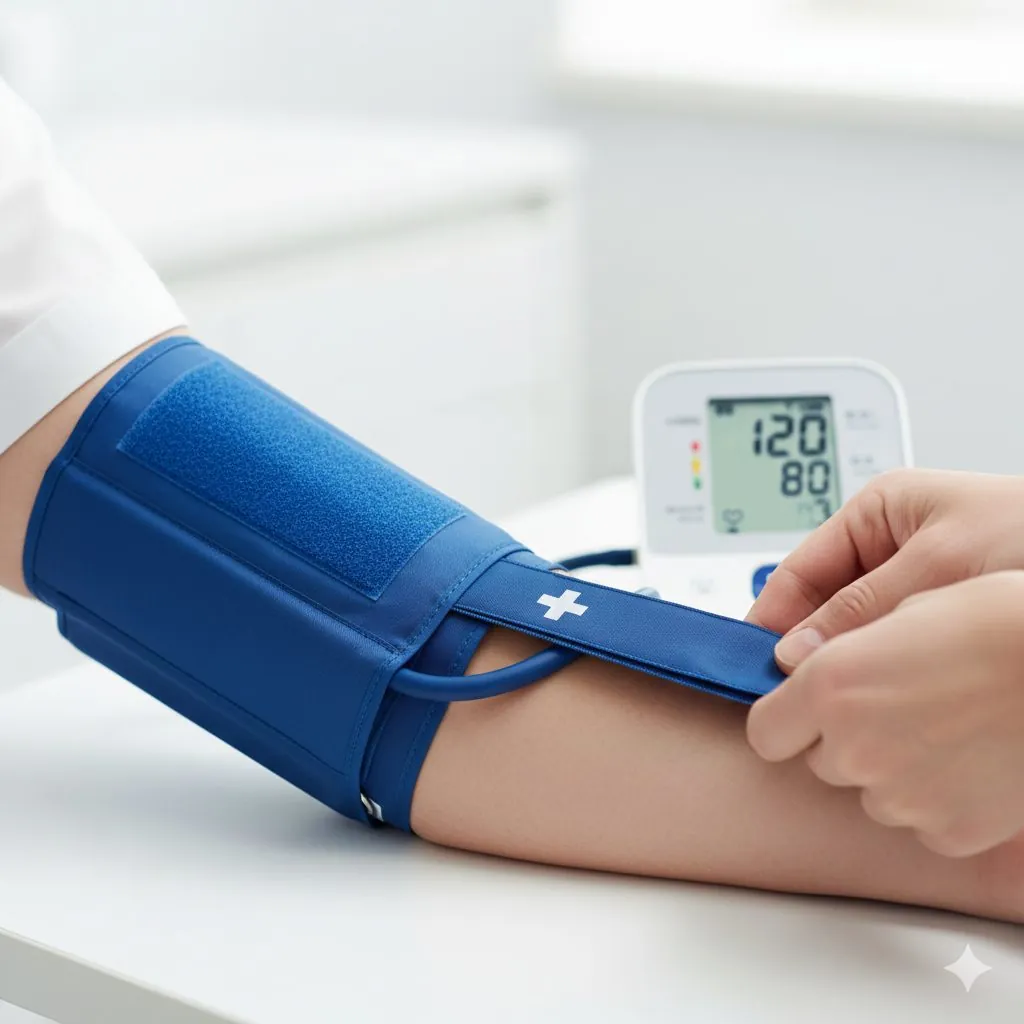
High LDL and blood pressure greatly raise lifetime heart-attack risk, but lowering both early can cut that risk from roughly one-third to under ten percent.

Longevity means adding healthy years, not just more years. A prevention-first approach targets heart, cancer and brain risks early, tailoring care through screening, lifestyle and metrics.

The body can hide disease for years, conditions like silent heart attacks or cancer may show no signs, making proactive screening crucial for early detection.
New observational data suggest that GLP-1 drugs like Ozempic may reduce dementia and Parkinson’s risks in diabetics, hinting at broader benefits for brain health.
Ozempic-related weight loss can slightly reduce muscle mass, but studies show minimal impact on strength or function, easing concerns about frailty.
AI in medicine shows promise, one study cut mortality by 17%, but experts stress the technology is still young and must complement, not replace, doctors.

Consistent vigorous exercise can restore youthful heart function, even reversing age-related decline in middle age when done regularly over time.

Major disease risk rises sharply between ages 45-55, proactive screening becomes essential to catch hidden threats early and reduce your ultimate downside risk.
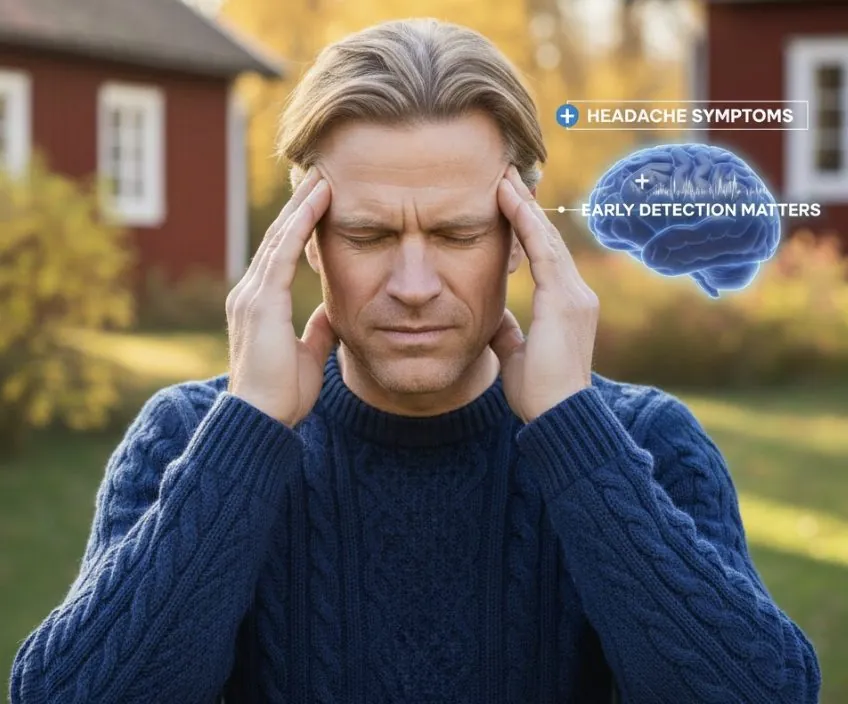
Dementia should be treated like heart disease, detect risks early and act through screening, lifestyle changes and preventive treatment before symptoms.
Regular health checks from age 40 catch “silent” conditions like high blood pressure, cholesterol or diabetes early, enabling timely intervention and better long-term health.
The brain-health check by Executive Health uses AI to assess dementia and Alzheimer’s risk from existing MR images, and emphasizes prevention through exercise, sleep, diet and mental activity.
Annual breast MRI is advised for women with a family history or high-risk genes, as it’s significantly more accurate than mammography for early detection.

Consistent sleep timing is more crucial for longevity than total hours. One study found regular sleepers had up to ~48% lower overall mortality, compared to those with erratic schedules.
Heart health is vital at any age, hidden cardiovascular risks can exist even without symptoms, so regular screening and lifestyle monitoring are key for prevention

Micronutrients are essential for healthy metabolism, and imbalances can harm the body, targeted testing helps optimize nutrition and long-term health.

Up to 30% of early cancer deaths are linked to poor diet, making nutrition a key preventable risk factor, healthy, balanced eating can significantly reduce cancer risk.

High ApoB signals too many harmful lipoproteins and is a stronger heart risk marker than LDL, making early testing key for cardiovascular prevention.
Health screeninger can identify hidden risks of heart attack, even in younger individuals, and a large number of early cardiac events are missed by traditional tests.

An executive approach means proactive, data-driven health management, using advanced screeninger and lifestyle measures to detect disease early and sustain long-term well-being.

Lifestyle changes like quitting smoking, staying active, eating well, moderating alcohol, managing weight and protecting your skin can meaningfully reduce cancer risk.
Early cancer screening significantly increases survival by detecting disease before symptoms arise, allowing for faster diagnosis and tailored preventive action.

Preventive health screeninger detect hidden risks early, boosting treatment success and long-term well-being.
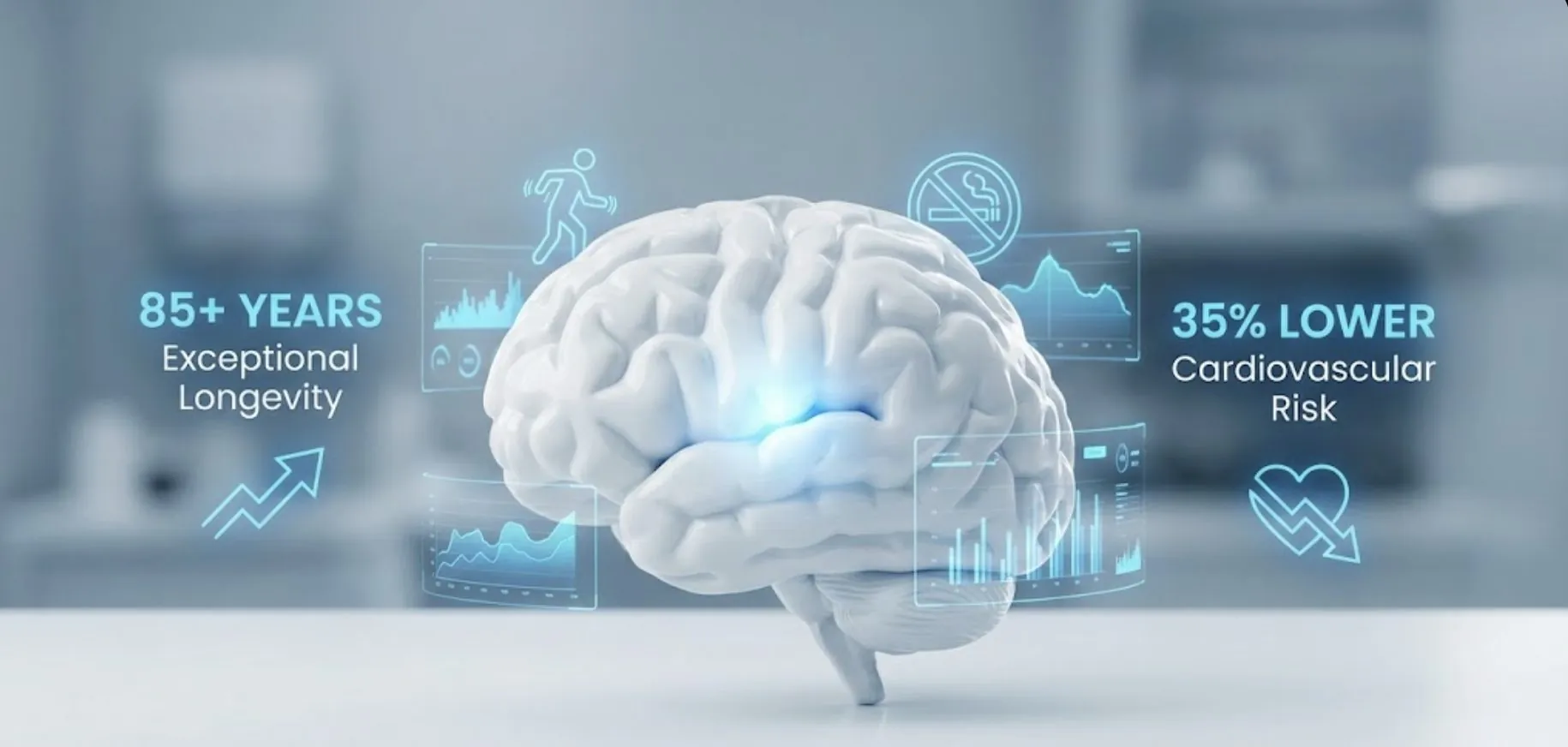
In his new book 100 Rules for Living to 100: An Optimist's Guide to a Happy Life, actor Dick Van summarizes his most…
Sleep is far more than rest – it is one of our most powerful mechanisms for long-term brain health. In an episode of…
A single workout session produced an anti-cancer effect in breast cancer survivors. A new study published in Breast…
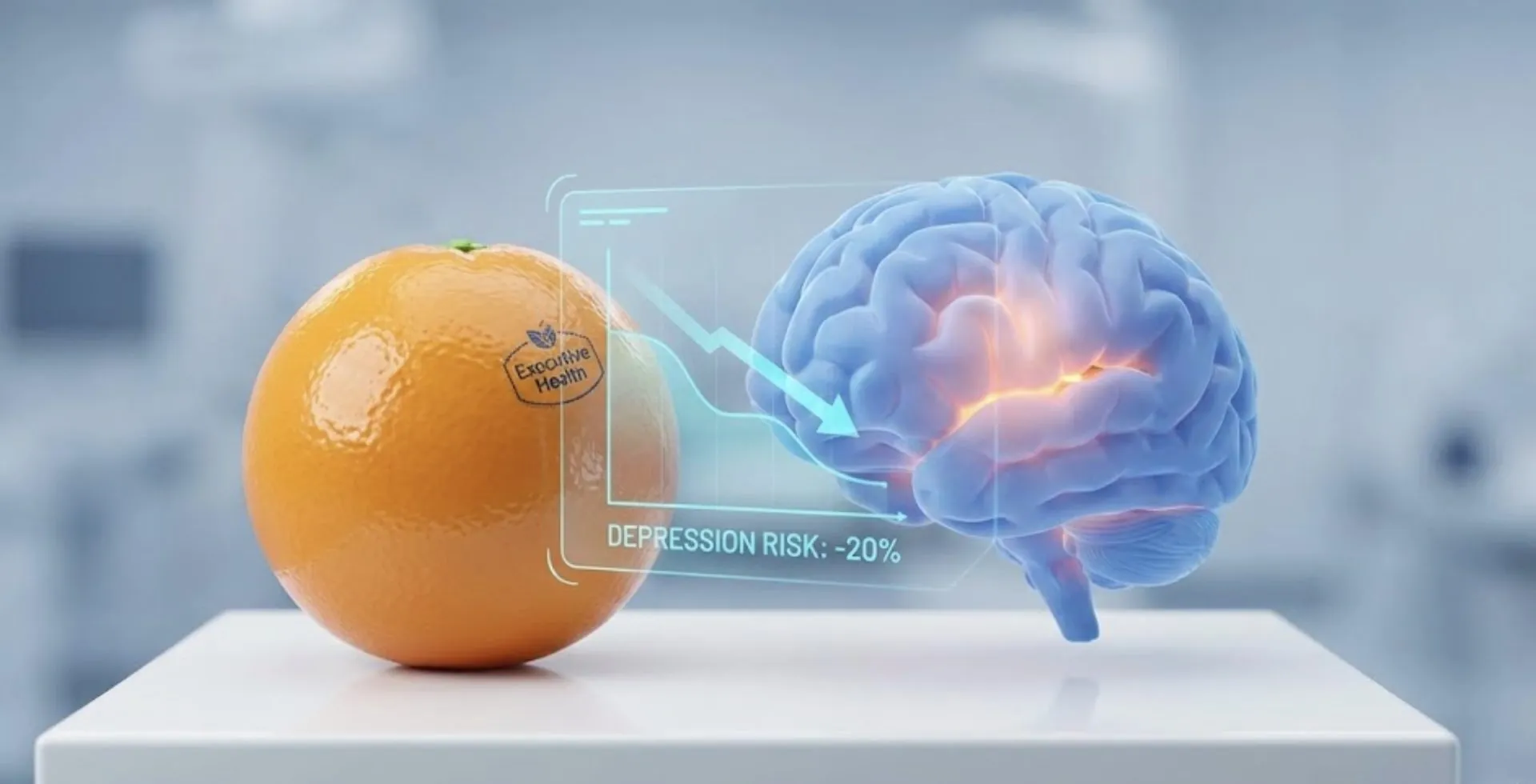
We are generally not very keen on these “observational” studies on nutrition advice, but Harvard is Harvard and Brain…
Good sleep prevents “dirty” brains that age faster – and beware of sleeping pills “Sleep is like turning on the…
Cholesterol isn’t just about the heart, it also affects the brain. A new study shows that lower cholesterol levels…
For years, many atrial fibrillation patients were told coffee is the enemy. But new research in JAMA challenges that…
We love cold plunges, but the research shows weak evidence for broad health or longevity benefits . Cold-water…

A Washington Post test had ChatGPT Health analyse ten years of Apple Watch data, including 29 million steps and 6…
Few men realise that ED and heart disease often share the same underlying cause: poor vascular health. Both ED and CVD…
In a prospective study of over 33 000 participants (with up to 17 years of follow-up), researchers identified a…
New evidence shows that a multi-domain strategy can slow cognitive decline: the MIND diet, high-intensity exercise,…
A new study of more than 135 000 people aged 45+ compared three groups: those who didn’t exercise at all, those who…
Cardiorespiratory fitness is one of the strongest modifiable factors for both how long we live, and how well we feel…
A new longitudinal study published in Social Science & Medicine suggests that helping others, both formally through…
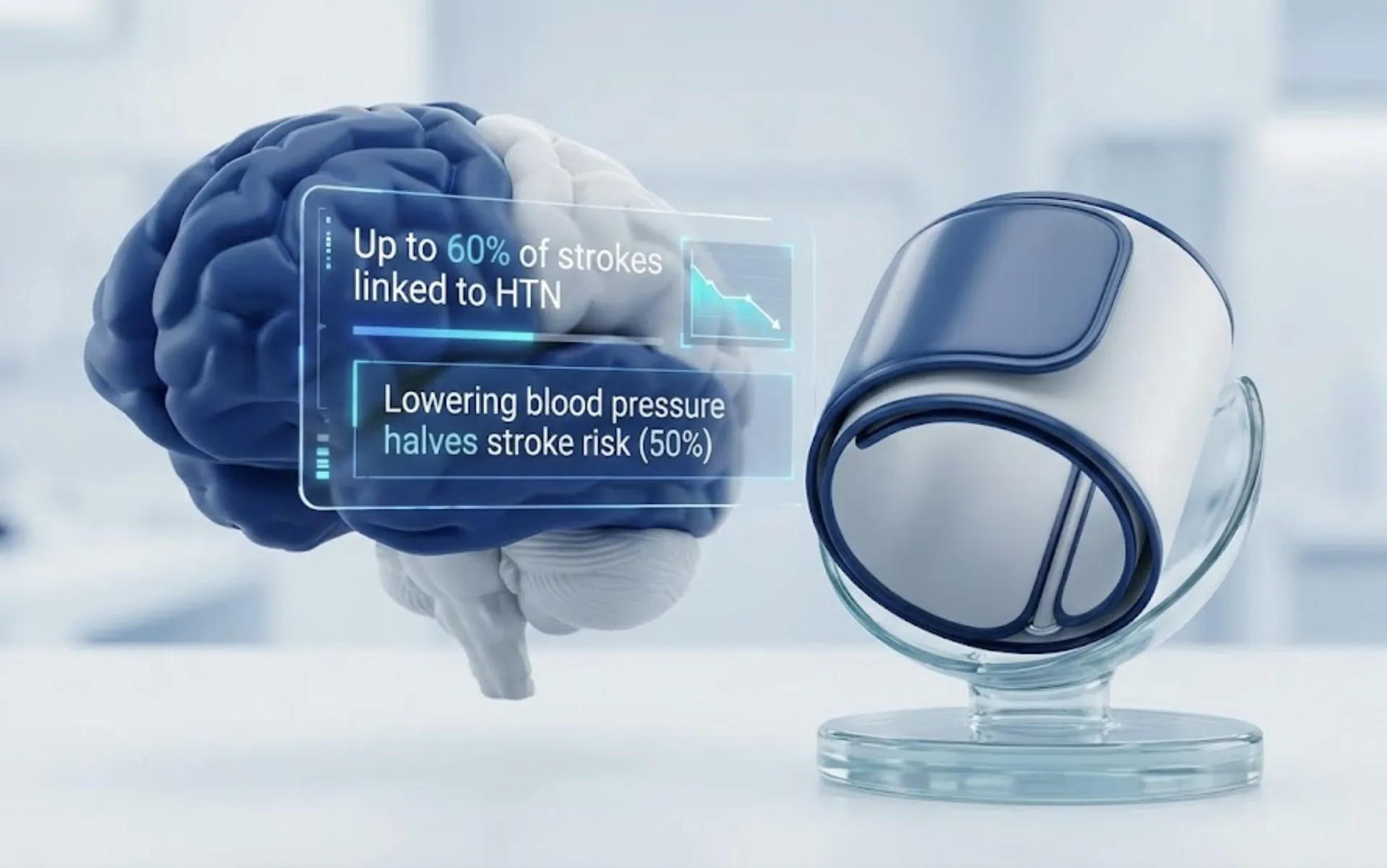
Most people know that stroke can be devastating – but fewer realize that high blood pressure (HTN) is the single most…

Mayo Clinic Warns of Risks Intravenous (IV) vitamin therapy has become a trend among the health-conscious – as a…
Visceral fat is the fat that surrounds our internal organs, such as the liver, pancreas, and intestines, the so-called…
A recently published study shows that LDL cholesterol (the so-called “bad” cholesterol) below 70 mg/dL is associated…
A large U.S. prospective study in JAMA Network Open following more than 25 000 women for nearly 25 years shows that…
A new analysis from the UK Biobank shows clearly: physical activity benefits both sexes – but women seem to get more…
New data from the American Cancer Society’s annual Cancer Statistics, 2026 report shows a strong and historically…
Longevity influencers and popular culture often highlight Nicotinamide Adenine Dinucleotide (NAD+) as the latest…
Disclaimer: This is "far-out-in-the-future" research and may not ever materialise into something, and of course, not…
At Executive Health, we often meet customers who ask about the risks of vaping, not least because they are worried…
Norwegian 4×4: A good way to higher VO₂max Having a high VO₂ max can help you live longer. Research shows that people…
New research shows that an extreme protocol – 10 HIIT sessions in 7 days – can put the body into shutdown mode:…
Grail’s podcast “The Cancer Signal” is dedicated to early detection of cancer. The latest episode “The Role of…
Real friendship for longevity. When was the last time you saw a friend? If it’s been over a week, it might be time…
It should be a given bet to take every day of the week. And it comes via statins, which leads to a huge risk…
New research shows that a vaccine against shingles can do more than just save you from a painful rash. Shingles is…

We’ve all heard “get your 8 hours.” But data says 7 hours is actually the sweet spot. A 2002 study of 1M Americans…
A recent study re-confirms that people with good sleep habits live longer than those with poor or irregular sleep,…
Stem cells are sometimes highlighted as one of the more promising areas in future medicine. The potential is…
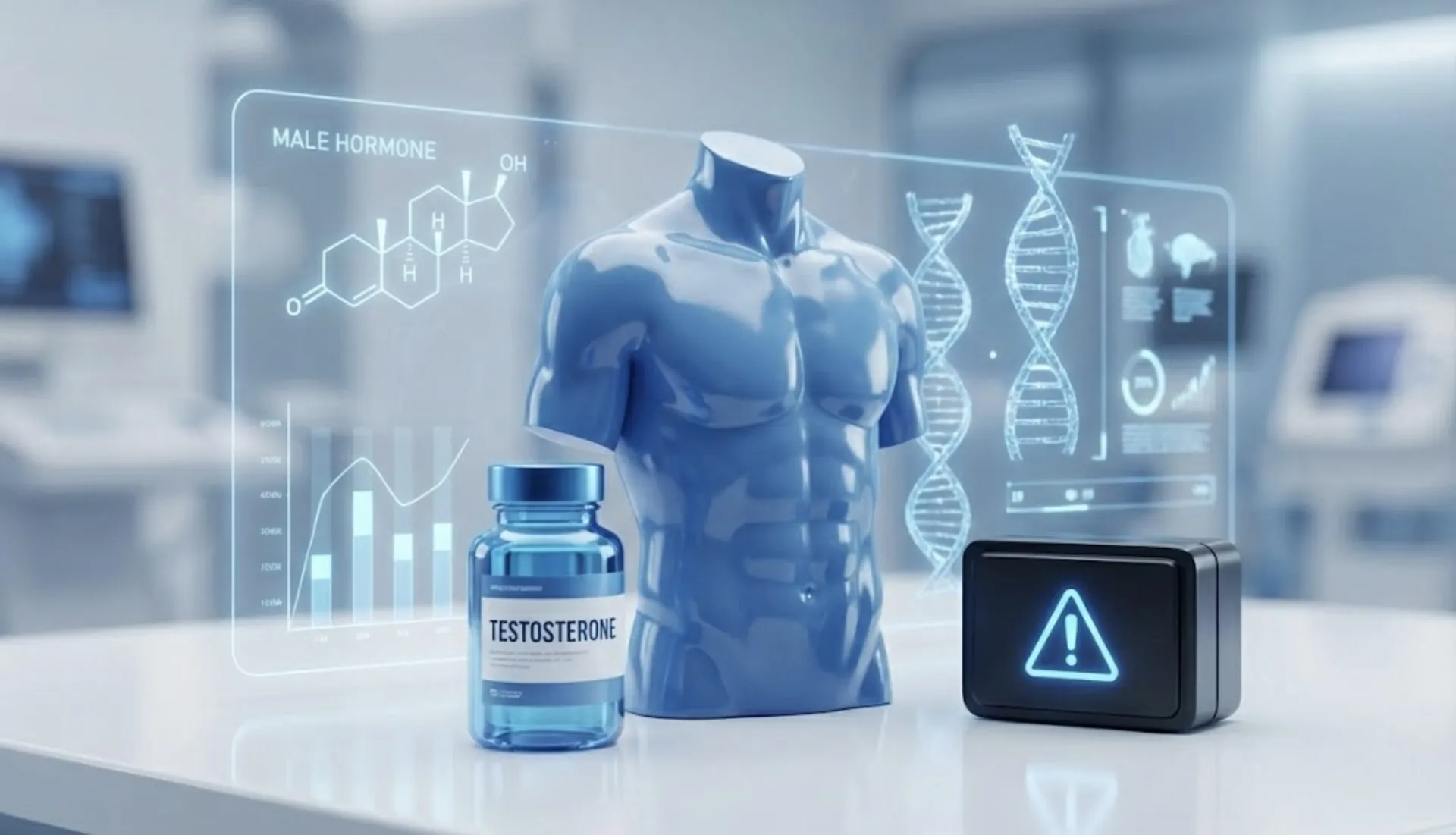
FDA opens to reconsider warnings – what does it mean for men's health? The FDA signaled this week that it may change…
A new study shows that over 99% of all cases of heart attack, stroke or heart failure are linked to four adjustable…
Creatine, once mainly used by bodybuilders, is now recognised for broader health benefits, including muscle growth and…
New research, recently highlighted in The New York Times, points to something we often see at Executive Health as…
If you are a consumer of health-related news, you cannot have avoided the increased focus on the harms of microplastic…
Here are two quotes from two leading figures in AI in relation to health and longevity: “My guess is that we can make…
The recent stage 4 prostate cancer diagnosis of former President Joe Biden is a sobering reminder: even those with…

You just don’t know it. The clock is already ticking for most of us Over 50% of all heart attacks in males happen…


